
What to Pack for a Day Hike
8 min read
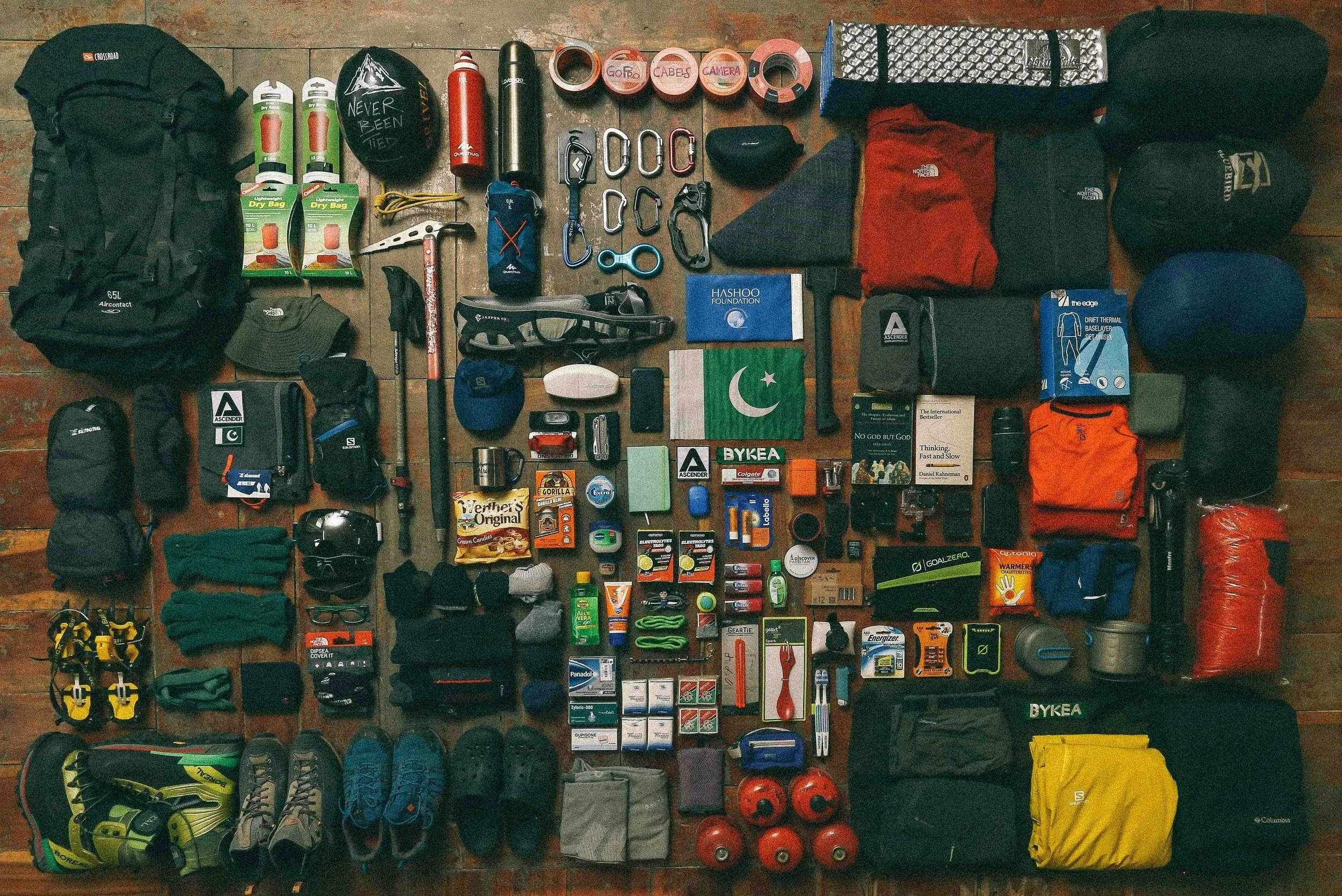
Packing for a day hike can feel surprisingly difficult when you’re new to hiking. Take too little and you may regret it when the weather changes or the hike takes longer than expected. Take too much and you’ll spend the whole day carrying things you never use.
The goal isn’t to prepare for every possible disaster. It’s to carry what you reasonably need for the route, weather and conditions you’re expecting - plus a little backup for when things don’t go exactly to plan.
Start With the Right Backpack
For most day hikes, a 20–30L backpack is a practical starting point. That usually gives you enough space for water, food, extra clothing and basic emergency equipment without encouraging you to pack half your house.
Short summer hikes may need less. Cold mountain hikes can require more because jackets and additional layers take up space. Don’t choose your backpack based only on litres. It should also fit your body comfortably once loaded.
Beginner tip: Enough space for what you need, not extra space to fill.
Water Comes First
Water should be one of the first things you think about, but there’s no single amount that’s correct for every hike. How much you need depends on temperature, distance, elevation gain, how hard you’re working, your body and whether reliable water sources are available along the route.
A short forest walk on a cool morning is completely different from climbing a mountain for six hours in summer. Before leaving, check whether water is available along your route, and whether that water is actually safe to drink. Don’t assume that clear-looking mountain water is automatically safe.
For longer routes with natural water sources, a filter or other suitable treatment method can sometimes reduce how much water you need to carry from the beginning.
Beginner tip: It’s usually better to return with a little water left than to run out while you’re still kilometres from the end.
Bring Enough Food — Plus a Little Extra
For a short hike, a snack may be enough. For a full-day adventure, bring proper food as well as something easy to eat while moving.
Things like sandwiches, fruit, nuts, energy bars or whatever you already enjoy eating can work perfectly well. You don’t need special “hiking food.”
What is useful is carrying a little more than you expect to eat. If the route takes longer than planned, the weather slows you down or you simply become hungrier than expected, an extra snack weighs very little but can suddenly become very valuable.
Navigation
Your phone is an excellent navigation tool — until there’s no signal or the battery dies. Before leaving, download your map or route for offline use.
Make sure you understand where you’re starting, where you’re going and approximately how long the route should take. For more remote or complicated routes, consider an additional form of navigation appropriate to the trip, such as a paper map, compass or dedicated GPS.
Having navigation equipment is useful. Knowing how to use it is more important.
Power Bank & Charging Cable
If your phone is your map, camera, weather forecast and emergency communication device, protecting its battery becomes important. A small power bank and cable don’t take much space and can be particularly useful on longer days.
You can also reduce unnecessary battery use by lowering screen brightness, closing apps you aren’t using and using offline navigation instead of constantly searching for mobile signal.
But don’t treat a power bank as permission to leave with a nearly empty phone.
Start the hike with your devices charged.
Headlamp
A headlamp might seem unnecessary when you’re planning to be home long before sunset. That’s exactly why it’s easy to leave it behind.
Then somebody takes a wrong turn, the route is slower than expected or an injury delays the group. A small headlamp weighs almost nothing compared with how useful it becomes after dark.
A phone flashlight can help in an emergency, but using your phone for hours as a torch also drains the battery you may need for navigation or communication. It also means one of your hands is carrying the phone, which can become difficult if you need to use your hands for balance, hold trekking poles, climb over something or help someone else. For longer or remote day hikes, a headlamp is one of those small items worth carrying even when you don’t expect to use it.
First-Aid Kit
You don’t need to carry a hospital. A small hiking first-aid kit should cover the types of minor problems you’re reasonably likely to deal with until you can get somewhere safer.
That might include supplies for small cuts, blisters, minor wounds and basic injuries, along with any personal medication you genuinely need.
But there’s something more important than buying a huge kit: know what’s inside it and know how to use it.
Carrying equipment you’ve never opened before isn’t particularly helpful. For hiking in more remote areas, learning basic outdoor first aid can be more valuable than simply adding more things to your backpack.
Extra Clothing
Don’t pack only for how the weather feels when you leave home. Conditions can change surprisingly quickly, particularly in exposed or mountainous areas.
Depending on the season, an extra layer might be a fleece, insulated jacket, rain shell, gloves or warm hat. Even during summer, a lightweight waterproof shell can be useful if you’re heading somewhere where the weather is unpredictable.
Think about the layering system:
Base layer → manages moisture
Mid-layer → provides warmth
Outer shell → protects from wind and rain
You don’t necessarily need to wear everything. The important thing is having the option when conditions change.
Keep Important Things Dry
Even if your backpack includes a rain cover, don’t automatically assume everything inside will remain completely dry.
Things such as spare clothing, electronics, documents or emergency equipment can be placed inside waterproof bags or dry bags. A simple waterproof internal bag can sometimes be more reliable than depending entirely on the backpack itself.
This matters especially when your “spare warm layer” isn’t very useful anymore because it’s soaking wet.
Small Emergency Items
Your emergency equipment should match the seriousness of the hike. For a popular two-hour trail close to town, you don’t need to prepare as if you’re crossing the wilderness. For a remote mountain day, being slightly more prepared makes sense.
A whistle is a simple example. It allows you to produce a much louder signal than shouting repeatedly. An emergency blanket or lightweight emergency shelter takes very little space and can help reduce heat loss if you’re unexpectedly stuck outside.
Depending on the location and conditions, other equipment may also be appropriate. The important idea is: prepare for the realistic consequences of something going wrong on that particular hike.
Sun Protection
Sun protection deserves space in your backpack even when it isn’t extremely hot. Consider sunscreen, sunglasses and appropriate headwear.
Put sunscreen on exposed skin even when it’s cloudy, windy or cold. At higher elevations, you can get sunburned surprisingly quickly without feeling hot, especially on exposed trails with little shade.
Cool wind can sometimes make you underestimate how much sunlight you’re getting. Sun protection is especially easy to forget on days that don’t feel hot.
Personal Essentials
Carry whatever personal items you would genuinely need if something unexpected happened.
That can include identification, payment method, required medication and emergency information. You probably don’t need your entire wallet.
Bring the essentials and protect them from water.
What NOT to Carry
Beginners often worry about forgetting something. The opposite problem is also common: packing far too much.
You probably don’t need five spare outfits, several litres more water than the route realistically requires, a huge survival kit for a local trail, full-size toiletries, heavy equipment you don’t know how to use or gadgets you’ve packed “just in case” for situations that realistically aren’t going to happen.
Before adding something, ask yourself: What situation am I carrying this for?
If you can’t answer that question, you may not need it. The exception is lightweight safety equipment such as a headlamp or emergency layer, where the small weight is worth the backup they provide.
Pack Heavy Items Carefully
Where you put things also matters. Try to keep relatively heavy items close to your back, rather than placing all the weight far away from your body.
Things you may need quickly — rain jacket, snacks, navigation or first-aid equipment — should be easy to access. You don’t want to empty your entire backpack on the trail every time the weather changes.
And once you’ve packed everything, put the backpack on. If it’s already uncomfortable in your bedroom, it probably won’t improve after four hours of walking.
Mula Ancala Beginner Tip
For your first few hikes, don’t try to create the perfect packing list. Start with the essentials:
water, food, navigation, charged phone/power bank, headlamp, basic first aid, weather-appropriate extra clothing, sun protection and a few sensible emergency items (whistle, toilet paper)
Tip: If you bring toilet paper, also bring a small bag so you can pack it out if needed and leave nature clean.
Then adapt. After every hike, notice what happened. What did you use? What did you wish you had? What stayed untouched in your backpack all day?
That’s how you’ll gradually build your own packing system.
A beginner’s backpack doesn’t need to contain everything. It needs to contain the right things for that particular adventure.
Pack smart. Carry less. Be prepared for what actually matters.
Start simple. Learn as you go. Every adventure begins somewhere.